Digital Marketing is an evolving arena that always keeps changing. To escalate your brand’s social media presence, you need a well-structured content strategy. Trends in social media come and go, but an authoritative strategy will act as the backbone, helping your brand stay firm even in the digital commotion.
The few fundamental rules you need to abide by while working on social media are delivering content consistently, engaging with consumers and creating on-brand content. However, there will be times when you extinguish all the content ideas and need a new brew of content, this is exactly where social media content buckets step in to provide you with structure, clarity, and direction.
Whether you are managing your client’s social media accounts or trying to build a personal brand for yourself, a content bucket for social media is a must-have to stay organised and resonate with your audience across all the platforms.
This article is a comprehensive guide to knowing everything about content buckets and and how to master it to create effective content marketing strategies that convert.
What Are Content Buckets?
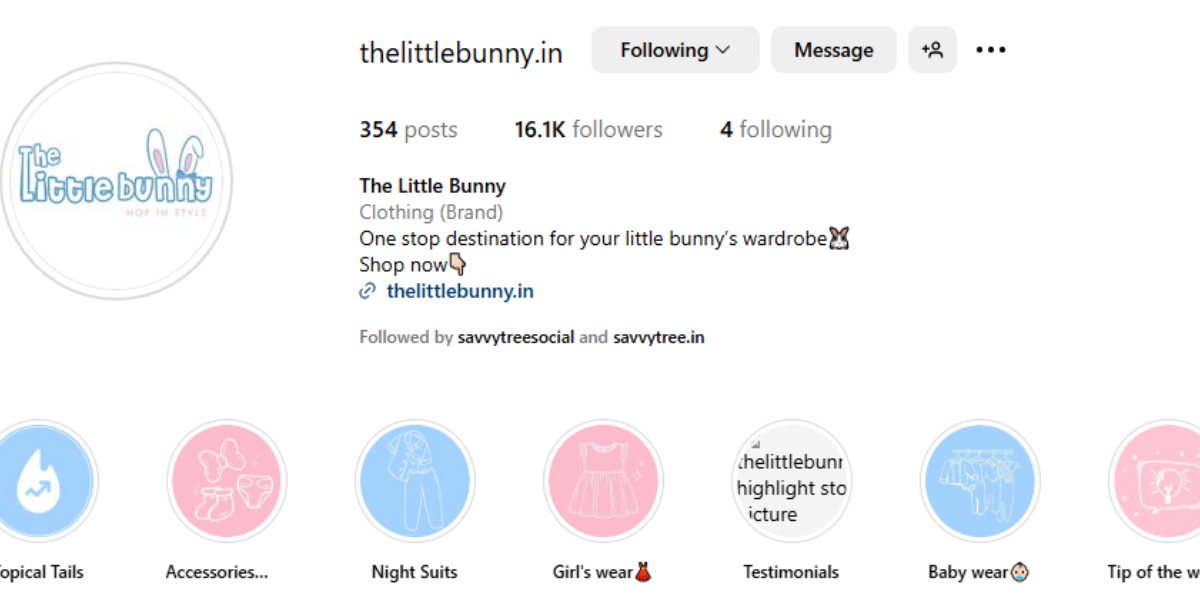
Content buckets (also known as content pillars or themes) are specific categories or topics around which all your social media content revolves. Think of them as containers that hold ideas aligned with your brand’s messaging, goals, and audience interests.
Instead of randomly posting, content buckets help you stick to your brand narrative while diversifying the type of content you create.
Also Read: Social Media Marketing Trends India 2025
Why Are Content Buckets for Social Media is Essential?
When your content lacks direction, your audience can feel confused or disengaged. By defining your social media content buckets, you ensure that each post serves a purpose — whether it’s to educate, entertain, inspire, or convert.
Key reasons content buckets are essential:
- Consistency in brand voice and messaging
- Saves time during content planning
- Ensures content aligns with marketing goals
- Improves engagement by appealing to varied interests
- Helps track performance by category
Benefits of Using Content Buckets for Social Media
Still wondering if this approach is worth the effort? Here’s what structured content buckets can unlock for your digital presence:
- Improved Content Variety: Avoid monotony by balancing educational, promotional, user-generated, and behind-the-scenes content.
- Strategic Planning: Weekly and monthly planning becomes a breeze with a predefined structure.
- Better Insights: Analyse performance bucket-wise to see what truly resonates.
- Targeted Messaging: Speak directly to different segments of your audience using specific themes.
Also Read: How to Create a Content Marketing Strategy
Types of Social Media Content Buckets
Here’s a look at popular content buckets for social media that businesses across industries use:
A. Educational Content
This includes tutorials, how-tos, guides, industry insights, and tips. It positions your brand as an expert in your field.
B. Behind-the-Scenes (BTS)
Give a glimpse into your team, office culture, product creation, or process.
C. User-Generated Content (UGC)
Featuring customer testimonials, product reviews, and community posts builds trust and authenticity.
D. Inspirational & Motivational
Quotes, success stories, or vision-driven posts that emotionally connect with your audience.
E. Promotional Content
Highlight new launches, discounts, limited offers, or services.
F. Entertaining Content
Reels, memes, challenges, or light-hearted content that boosts engagement.
G. Thought Leadership
Share your founder’s voice, opinion pieces, podcast snippets, or guest collaborations to build authority.
Step-by-Step Guide to Creating Content Buckets
Here’s how to create your custom set of content buckets for social media:
Step 1: Define Your Goals
Are you trying to increase brand awareness, boost engagement, generate leads, or grow a community? Your goals will determine the focus of your content.
Step 2: Know Your Audience
Conduct social listening, audience research, and surveys to identify interests, pain points, and behaviors.
Step 3: Choose Your Core Themes
Based on your goals and audience needs, define 4–6 content buckets that support your messaging. For example:
- A wellness brand might use: Mindfulness Tips, Client Success, Product Spotlights, Healthy Recipes.
- A SaaS company could use: Product Demos, Industry Insights, Customer Stories, Productivity Tips.
Step 4: Assign Frequency
Decide how often you’ll post from each bucket. For example:
- Educational – 2x/week
- UGC – 1x/week
- Promotional – 1x/week
Step 5: Create Post Formats
Match each bucket with a content format. Educational could be a carousel; BTS could be a story or Reel.
Step 6: Build a Content Calendar
Plot your posts into a calendar. Ensure a balanced mix that aligns with campaigns, events, and trends.
How to Implement Content Buckets Into Your Social Media Calendar
A content calendar ensures that your content buckets for social media are translated into consistent and timely posts.
Best Practices:
- Use tools like Trello, Notion, or Google Sheets to map buckets to specific dates.
- Incorporate awareness days or relevant holidays into each bucket.
- Leave space for reactive or trending content.
- Always batch-create content by bucket to streamline your workflow.
Tools To Execute Your Content Bucket Strategy
Several tools can help streamline your bucket-based content strategy:
- Trello / Notion: Organise buckets as lists or databases.
- Canva: Create visuals aligned with each bucket’s tone.
- Later / Buffer / Hootsuite: Schedule and analyze bucket-specific content.
- Google Sheets: Simple but powerful for tracking post ideas by bucket.
- Airtable: Visual database-style planning for bucket-based strategies.
Common Mistakes to Avoid
While the concept of content buckets for social media is powerful, here are some common pitfalls to watch for:
- Too many buckets: Stick to 4–6 strong categories. Too many creates chaos.
- Inflexibility: Stay open to evolving or replacing buckets based on performance.
- Lack of alignment: Each bucket should tie back to your brand and business goals.
- Ignoring data: Don’t just post; measure performance by bucket to optimise content creation.
- Forgetting the audience: Your content should always speak to your customers’ interests, not just your business priorities.
Conclusion
Creating and using content buckets for social media marketing simplifies the process of ideation, improves planning, aligns your posts with business goals, and ensures that your content remains diverse and fresh.
At Savvytree, we are a diverse digital marketing brand that helps brands like yours to craft high-impact, data-backed social media strategies with proven results. Creating a content bucket and managing their social media profiles accordingly is one of our signature processes wthat e follow for our clients.
If you need someone to guide you in building content buckets for your brand, then go no further. Look into our services.